Book for Learning Arabic: Complete Buying Guide for Beginners, Children and Adults
In Brief
This comprehensive guide helps you choose the best book for learning Arabic according to your level and objectives. You will discover the different learning approaches: alphabet and writing for beginners, grammar (nahw) and conjugation (sarf) for intermediate levels, thematic vocabulary and Quranic Arabic for advanced learners.
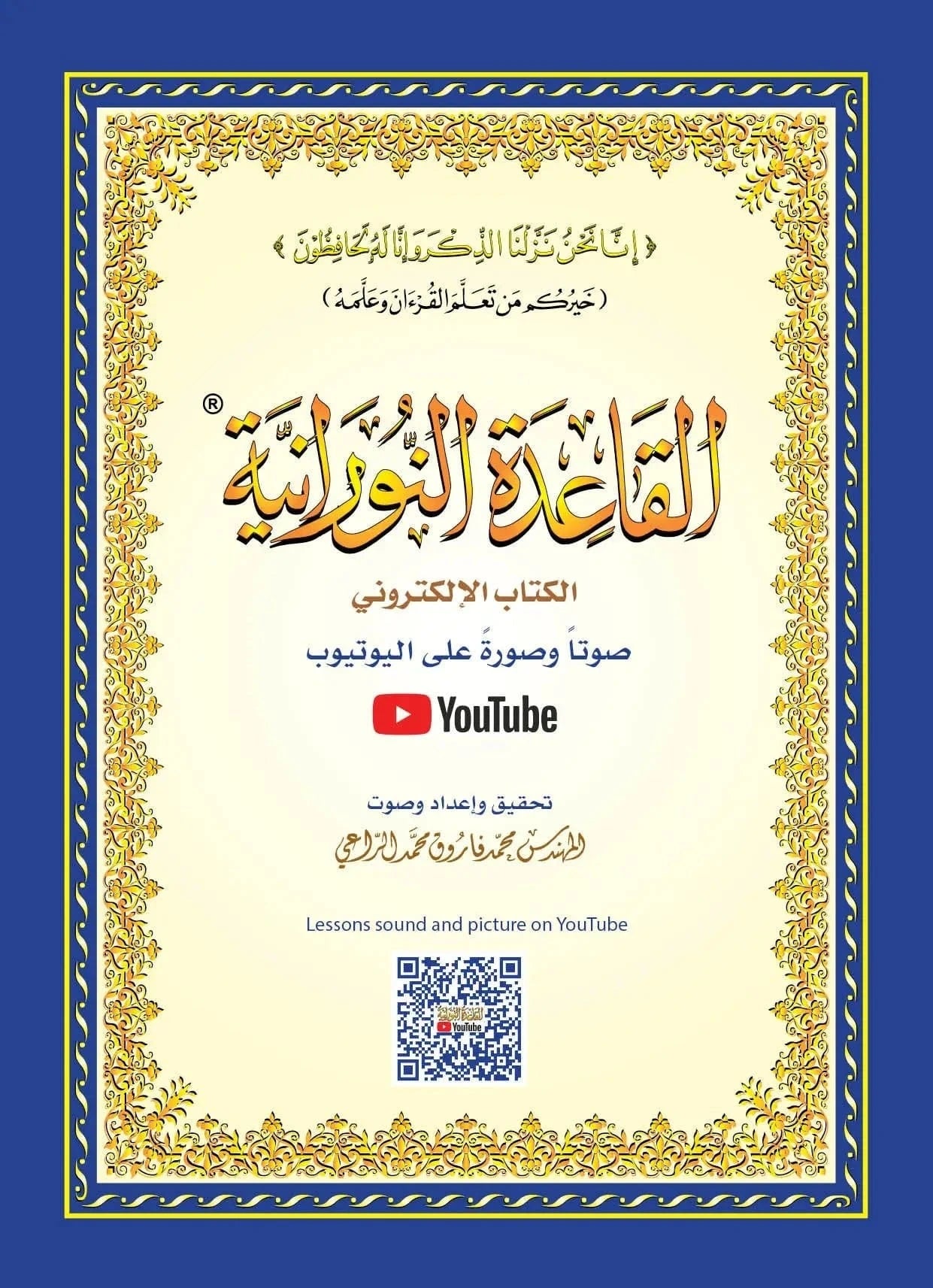
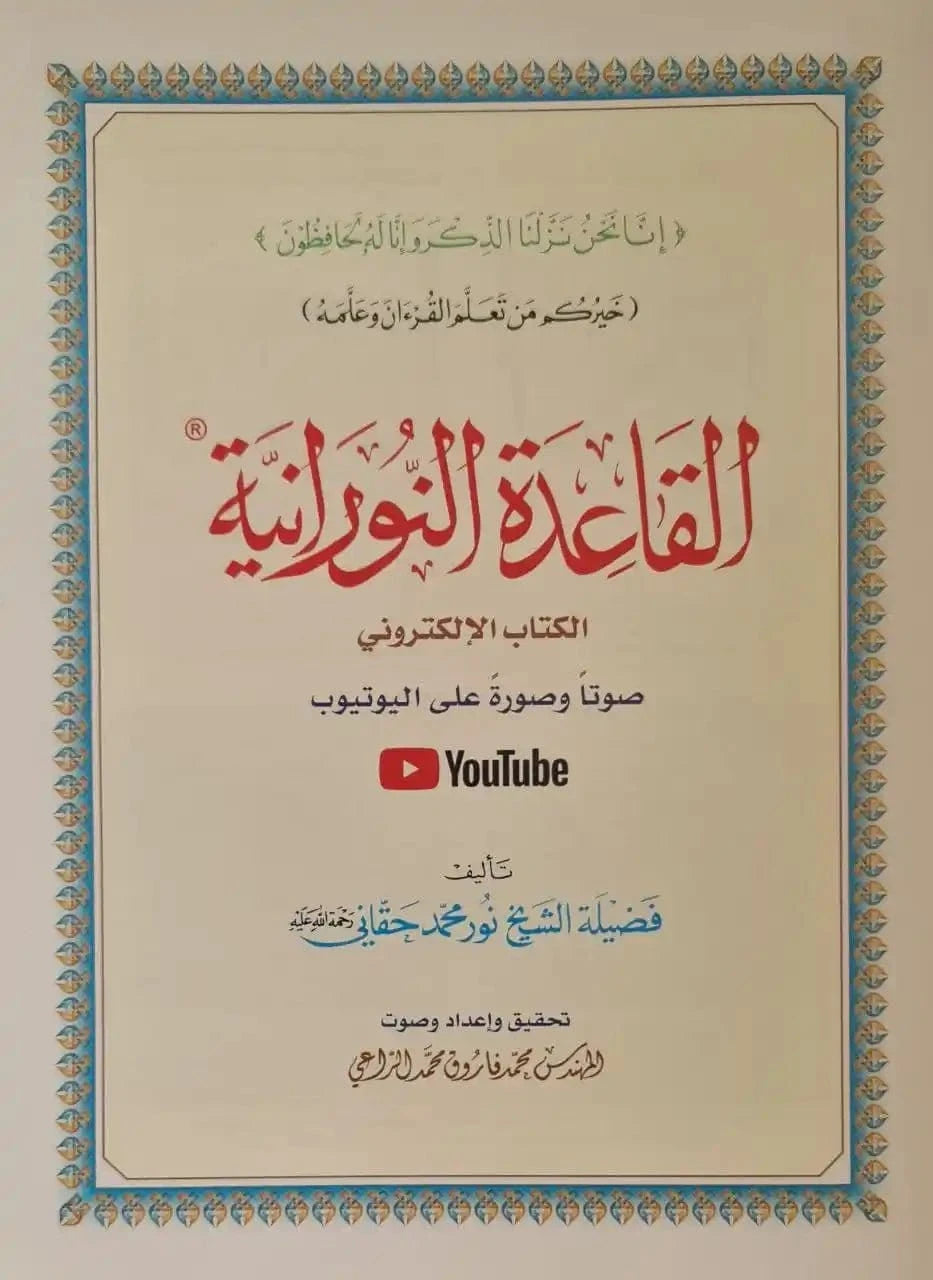
We compare the most popular methods (Medina Tome, Assimil, Al-Arabiyya Bayna Yadayk, Nourania method) and explain for whom each one is best suited. Recommendations for children's and adults' books, with or without audio support, complete this overview. Each section includes links to our specialized articles.
Learning Arabic is an enriching journey that opens doors to understanding the Quran, hadith, and Islamic civilization. However, faced with the multitude of available methods and books, many wonder: which work should I choose to start effectively? In this comprehensive guide, we present you with a rigorous selection of educational resources adapted to all profiles: complete beginner, child, independent adult, convert, teacher, or self-learner.
Whether you wish to master the Arabic alphabet, perfect your grammar (nahw - نحو), enrich your vocabulary, or access Quranic texts, you will find in our Arabic language learning collection the best tools to progress regularly.
Al-Imen, a leading Islamic bookstore, guides you in this selection by emphasizing pedagogical quality, accessibility, and alignment with Islamic values.

What type of Arabic should you learn and why choose the right book?
Before you start acquiring books, it is essential to understand the different forms of the Arabic language and their specific uses. Modern Arabic comes in two main variants: classical literary Arabic and regional dialects.
This fundamental distinction will directly impact the choice of your learning resources.
Literary Arabic, also called al-fusha (الفصحى), is the standardized language used in the Quran, hadith and all religious texts. It is the most important and most useful variant for a Muslim learner who wants to understand authentic Islamic sources.
The term arabiyya (العربية) designates the Arabic language in general, while lughat al-Quran (لغة القرآن) specifically qualifies the language of the Quran, characterized by great linguistic richness and precision.
In parallel, regional dialects (Levantine, Egyptian, Moroccan, etc.) are spoken variants, useful for speaking in daily life but are not a priority if your goal is religious understanding.
We strongly recommend starting with literary Arabic (al-fusha), which provides a solid foundation allowing you to access all Islamic texts. Once this foundation is acquired, you can, if you wish, explore the specificities of local dialects.
Complete Pack I Learn Arabic - The 6 Levels

Complete Pack I Learn Arabic - The 6 Levels
This complete solution covers all aspects of literary Arabic in six progressive levels. Ideal for self-learners, it combines digital resources and structured methodology, allowing you to progress from absolute beginner to advanced level without interruption.
69,99 EUR
See this bookWhat are the 6 buyer profiles and the book suited to each one?
Each learner is unique, with their own objectives, available time, and learning context. We have identified six distinct profiles and propose for each one a specific pedagogical approach and a recommended book type.
1. The complete beginner has no prior knowledge of Arabic. They need a progressive, gentle, and motivating method that starts with the alphabet and introduces vocabulary gradually. Books with audio and QR code are strongly recommended.
Read our detailed article: Arabic Alphabet: Book, Letters, Pronunciation.
2. The child (3-12 years old) learns differently: they need attractive visuals, games, playful repetition, and a very gradual progression. Books from the Nourania publisher and Montessori workbooks are perfect for this profile.
Also discover: Arabic Book for Children: Learning in a Fun Way.
3. The autonomous adult has limited time but is self-disciplined. They prefer compact, structured, and efficient methods. Books without excessive decoration, focused on pedagogical substance, suit them better.
Read: Arabic Beginner: Best Books and Methods.
4. The convert seeks to quickly access religious texts. They benefit from thematic modules (Quranic vocabulary, common Islamic expressions, etc.). Our First Steps in Islam collection offers adapted resources.
5. The teacher or trainer looks for comprehensive teaching materials, with answer keys, detailed progressions, and varied exercises. Packages from specialized publishers (Tawhid, Orientica, Al-Hadith) meet this need.
6. The serious self-learner wants to progress alongside other commitments. They prefer books with integrated audio, exercise workbooks with answer keys, and proven methods. Read: Methods to Learn Arabic: Complete Comparison.
What are the essential criteria to check before buying an Arabic book?
Buying an Arabic book without verifying certain pedagogical criteria can prove counterproductive. Here are seven criteria to absolutely check before any purchase.
Criterion 1 - Logical pedagogical progression. The book must follow a clear progression: alphabet and pronunciation, basic vocabulary, simple sentences, then more complex grammar. Lessons should follow naturally without difficult jumps.
Criterion 2 - Practical exercises and answer keys. Active learning is essential. Look for books with writing, reading, translation, and composition exercises. Answer keys, whether complete or at least for part of the exercises, allow you to verify your progress.
Criterion 3 - Audio content (QR code or MP3). Arabic is a language where pronunciation is important. Audio resources allow you to develop listening and correct pronunciation. QR codes integrated into modern books offer immediate access to audio files.
Criterion 4 - Readability of the Arabic font. The font must be large enough, clear, and conform to Arabic writing standards. Poor typography makes learning frustrating and ineffective.
Criterion 5 - Thematic and relevant vocabulary. Vocabulary must be selected according to frequency of use and real needs. Favor books that organize vocabulary by themes (family, home, business, etc.) rather than in alphabetical order.
Criterion 6 - Grammar (al-nahw - النحو) integrated progressively. Grammar should not be introduced too early or in an overly abstract manner. It must be explained in a concrete context and applied immediately through examples and exercises.
Criterion 7 - Illustrations and layout suited to the audience. For children, illustrations should be attractive and educational. For adults, a clean and professional layout is preferable.
Arabic in Your Hands - New Edition with QR Code

Arabic in Your Hands - New edition with QR code - Level 1
This method respects all essential criteria: gentle and logical progression, numerous exercises with answer keys, audio integrated via QR code, readable font, and relevant vocabulary for beginners. A safe choice for starting with confidence.
25,00 EUR
See this bookHow to Organize an Effective Learning Program with Its Books?
Owning the right books is one thing; knowing how to use them effectively is another. A regular daily routine, even a short one, is much more productive than long and irregular sessions.
We recommend a structured "15 minutes a day" approach built around four complementary activities.
Proposed daily routine (15 minutes):
- Minutes 1-4: Reading and pronunciation. Read aloud a passage from your main book. Listen to the audio version provided via QR code or MP3. Repeat several times to improve your pronunciation.
- Minutes 5-8: Writing. Write down new words and phrases from the lesson. Manual transcription strengthens memorization and familiarizes you with written forms.
- Minutes 9-12: Review. Reread previous lessons. Review old vocabulary. Test your understanding of grammatical concepts.
- Minutes 13-15: Active listening. Listen to a passage without the text and try to understand. Note the words you recognize.
30-day plan to get started:
- Days 1-5: Complete alphabet and letter pronunciation. See Arabic Alphabet: Book, Letters, Pronunciation.
- Days 6-10: Basic vocabulary (30-40 words) organized by themes. Read Arabic Vocabulary: Books and Methods.
- Days 11-15: Formation of simple sentences and introduction to basic grammar. See Arabic Grammar (Nahw): Books and Basics.
- Days 16-20: Reading and writing short texts. Consolidate the vocabulary from the previous 10 days.
- Days 21-25: Introduction to verbs and basic conjugation. See Arabic Conjugation (Sarf): Books and Verbs.
- Days 26-30: General review, short dialogues and self-assessment.

My Super Montessori Notebook for Arabic Grammar
This notebook combines Montessori pedagogy and Arabic linguistics for in-depth grammar understanding. Its detachable pages allow for interactive and fun practice. Perfect for consolidating grammatical basics while having fun.
19.90 EUR
DiscoverWhat buying mistakes should you absolutely avoid?
Many learners, despite their best intentions, find themselves paralyzed by poor book choices. Here are the five most common mistakes to absolutely avoid.
Mistake 1 - Choosing a book that is too advanced. A "complete" or "scholarly" book may seem attractive, but if it skips the basics, you will quickly feel overwhelmed.
Always start with an authentic beginner level, even if you think you already know a little.
Mistake 2 - Neglecting audio. Learning Arabic without audio resources is like learning music by reading sheet music without listening to it. Audio is crucial for pronunciation and immersion.
Mistake 3 - Choosing an illegible Arabic font. Some books use archaic or overly stylized fonts. Make sure the Arabic font is clear, upright and compliant with modern standards.
Mistake 4 - Ignoring the absence of answer keys. Without answer keys for at least part of the exercises, you cannot validate your progress or identify your mistakes. This quickly becomes demotivating.
Mistake 5 - Opting for vocabulary that is too specialized. Books on medical Arabic or business Arabic may have their uses, but not for beginners. Start with everyday and universal vocabulary, then specialize.
How to progress beyond books: what complementary resources?
Books form the foundation, but a multimodal approach improves your progress. Listen to audiobooks and pronunciation resources, participate in study groups, listen to Islamic podcasts in Arabic, watch educational videos and practice writing daily.
Complement your grammar books with Quranic Arabic and books to understand the Quran. If you are learning with a child, alternate between fun books and structured workbooks. Finally, don't hesitate to invest in practice notebooks for Arabic writing to strengthen your mastery.

Can you build a complete Arabic library progressively?
Yes, absolutely. Rather than buying all the books at once, we recommend a progressive and thoughtful approach. Start with a single foundational book suited to your profile, progress for at least three months, then add complementary resources according to your emerging needs.
Explore our Arabic language learning collection to identify relevant titles at each stage. Also consult specialized editions: Éditions Tawhid, Éditions Orientica, Éditions Sana, Éditions Al-Hadith and Éditions Iqra.
Who are the best authors and publishers of Arabic books in French?
Several publishers and authors stand out for the quality of their educational resources. Digital Future offers integrated and comprehensive digital solutions. Arabic For All provides progressive and well-structured methods.
Graines de Foi combines Montessori pedagogy with Islamic pedagogy. The publishers Tawhid, Orientica, Maison d'Ennour, Sana and Al-Hadith produce high-quality content, often aligned with authentic Islamic traditions. Nourania specializes in resources for children, while Digital Future offers modern digital tools.
Finally, resources on tafsir and explanation of the Quran complement your learning journey once the basics are acquired.
What are the delivery times for my books?
Al-Imen delivers to mainland France within 2 to 5 business days. For Belgium and Europe, allow 5 to 10 days. Visit our shipping and delivery page for detailed rates and order tracking options.
Frequently Asked Questions About Learning Arabic
Can you learn Arabic alone with a book?
Yes, it is entirely possible to learn Arabic alone with the right books, particularly if you have integrated audio resources and a well-structured method. However, the lack of contact with other people can limit your progress in pronunciation and prevent you from receiving direct feedback.
We recommend combining independent study of books with audio resources, educational videos, and, if possible, occasional exchanges with native speakers or advanced learners to validate your pronunciation.
How long does it take to read and understand Arabic fluently?
The duration depends on your profile and commitment. With regular practice of 15 to 30 minutes a day, you can achieve basic understanding in 3 to 6 months and intermediate fluency in 12 to 18 months.
To achieve advanced mastery and nuanced understanding of Quranic and literary texts, expect 2 to 3 years of sustained work. Linguistic immersion (stay in an Arabic-speaking country, local community) significantly accelerates this process.
What book to choose for a 5-year-old child?
For a 5-year-old child, prioritize illustrated notebooks with little text, plenty of drawings, and playful activities. Montessori methods adapted for young children, books with large letters, and audio resources with songs and stories are perfect.
Absolutely avoid books that are too dense or without illustrations. Our complete guide on Arabic books for children will help you make the best choice.
Should you start with the alphabet or vocabulary?
You must start by mastering the alphabet and the pronunciation of letters, because without it, you will not be able to read vocabulary correctly. Check out our article Arabic Alphabet: Book, Letters, Pronunciation for a complete introduction. Once the alphabet is learned (usually 1 to 2 weeks), gradually introduce basic vocabulary and simple sentences.
What is the difference between Literary Arabic and Dialectal Arabic?
Literary Arabic, or al-fusha (الفصحى), is the standardized and classical form used in the Quran, hadith, literature, and formal media. It is a rich, precise language respected throughout the Arab-Muslim world.
Dialectal Arabic varies by region (Egyptian, Levantine, Moroccan, etc.) and is used in local daily conversations. For a French learner wishing to access Islamic texts, Literary Arabic is a priority.
You may explore dialects later if your goals justify it.
Articles in this guide
- Arabic Alphabet
- Arabic Writing
- Beginner Arabic
- Arabic Books for Children
- Arabic Vocabulary
- Arabic Grammar (Nahw)
- Arabic Conjugation (Sarf)
- Arabic Books with Audio
- Quranic Arabic
- Methods for Learning Arabic
- Quranic Arabic
Complementary Guides
📚 Also read
−5% off the entire bookstore with code BLOG5
Valid on the entire site, with no minimum purchase — our thanks to blog readers.
Discover the selection