Arabic Alphabet: Book to Learn Letters and Pronunciation
In Brief
This article guides you in learning the Arabic alphabet, the first essential step to reading and writing this language. You will learn the 28 Arabic letters with their four forms (isolated, initial, medial, final), short and long vowels (harakats), and the rules for connecting letters.
We compare the best books and workbooks dedicated to the Arabic alphabet for beginner adults and children, with clear selection criteria. Practical exercises and proven memorization methods will allow you to master Arabic writing in a few weeks. Also find our advice on progressing toward reading simple texts.
The Arabic alphabet fascinates with its beauty and unique system. Unlike French, Arabic has exactly 28 letters, each of which can take four distinct forms depending on its position in the word.
These letters are not merely symbols: they carry specific articulation points called مخارج الحروف (makharij al-huruf) that characterize the language. To master this alphabet, it is essential to also understand the diacritical marks called حركات (harakat), which indicate short vowels and complete the reading.
If you wish to learn Arabic, discover our comprehensive guides and our Arabic language learning collection designed to accompany you at every step. For a general overview, consult our guide to buying books to learn Arabic.

How does the Arabic alphabet work and why is it different from French?
The Arabic alphabet is based on a system fundamentally distinct from Latin alphabets. While French uses 26 letters primarily consonantal with distinct vowels, Arabic offers 28 consonants with an optional vowelization system.
The writing direction goes from right to left, which requires adaptation for Western learners. Each Arabic letter, or حرف (harf), does not have a unique form: depending on its position in the word, it adopts one of four forms: isolated, initial, medial, or final.
For example, the letter ب (ba) is written ba, ba, ba or ba depending on its position. This characteristic is essential because it directly affects the fluency of your reading and writing.
The system of the أبجدية (abjadiyya) Arabic alphabet has existed for centuries and represents a sophisticated evolution of written language. The 28 letters are divided into different families according to their phonetic and morphological characteristics.
Understanding this structure will help you not only to memorize the letters, but also to develop an intuition for correct pronunciation. Mastering these fundamentals constitutes an essential foundation for progressing toward fluent reading and smooth writing.
Our main recommendation

I Learn Arabic - Preparatory Level 2 - The Arabic alphabet made easy
A progressive and gentle approach to master the Arabic alphabet without frustration. Perfect for adult beginners and children from 8 years old.
12,90 EUR
DiscoverWhat are harakat and how to master short vowels?
The حركات (harakat) are diacritical marks that transform plain Arabic text into vocalized text. These small signs placed above or below letters indicate short vowels, crucial information for pronouncing each word correctly.
Without harakat, many words could have several different readings, which would make understanding ambiguous. This is why texts intended for beginners and children systematically include these marks.
There are six main harakat. The فتحة (fatha) is placed above a letter and corresponds to the sound "a" as in "papa". The كسرة (kasra) is placed below and produces the sound "i" as in "lit".
The ضمة (damma) resembles an inverted comma and gives the sound "ou" as in "pou". The سكون (sukun) is a small circle that indicates the absence of a vowel, making the letter silent.
The شدة (shadda) doubles the sound of the letter, while the تنوين (tanwin) adds a nasal sound to the vowels.
To master short vowels, start by learning one haraka at a time. Read words slowly, pronouncing each haraka distinctly. With regular practice, your ear will become accustomed and you will intuitively recognize each mark.
Here is a comparative table of frequent confusions between similar letters:
| Pair of letters | Key difference | Practical advice |
|---|---|---|
| س (sin) vs ص (sad) | Sad is emphatic, sin ordinary | Sad requires more articulatory force |
| ت (ta) vs ط (tah) | Tah is emphatic, ta ordinary | Tah is pronounced deeper in the throat |
| د (dal) vs ض (dad) | Dad is emphatic, dal ordinary | Dad has a duller resonance |
| ح (hah) vs ه (ha) | Hah more guttural, ha lighter | Hah requires a tighter throat |
| ع (ayn) vs ء (hamza) | Ayn has guttural resonance, hamza glottal stop | Ayn requires a throat contraction |
How to avoid pronunciation confusion between similar letters?
Letter confusion is one of the greatest challenges for French-speaking learners. Although Arabic has some letters that appear identical or very similar at first glance, they possess distinct pronunciation characteristics.
These differences are based on the مخارج الحروف (makharij al-huruf), that is, the points and modes of articulation in the oral cavity and throat. Mastering these distinctions is essential to communicate correctly and be understood by native Arabic speakers.
The makharij al-huruf are divided into four main zones: the throat, the soft palate, the hard palate, and the lips. Each Arabic letter comes from a specific place with a specific way of closing or opening the air passage.
For example, the letter ح (hah) comes from the throat with slight friction, while خ (khah) requires more pronounced friction. These nuances, although seemingly subtle, completely transform word comprehension.
To avoid confusion, adopt a routine of active listening and repetition. Listen to recordings pronounced by native Arabic speakers, ideally for 10 to 15 minutes each day. Repeat slowly after them, trying to reproduce their pronunciation exactly.
Record your own voice and compare it with that of native speakers. This intensive methodology significantly accelerates your learning and strengthens your auditory memory.
Practical and fun educational kit

Alif Ba Magnets - Educational kit to learn the Arabic alphabet
An innovative magnetic kit that makes learning fun and interactive. Ideal for children and kinesthetic learners who benefit from learning through touch and play.
13,90 EUR
DiscoverWhat method should you follow to learn the alphabet in 2 weeks?
Learning the complete Arabic alphabet in two weeks is entirely realistic if you follow a structured plan and dedicate time to it daily. The key lies in the rational organization of letters by families rather than in the traditional order.
This strategy significantly reduces memorization time and facilitates retention.
Here is a recommended day-by-day plan:
Week 1: Days 1-2: Learn the solar and lunar letters, the basic points. Days 3-4: Focus on guttural letters (ح، خ، ع، غ) which require intense phonetic practice.
Days 5-6: Learn the dental and palatal letters (ت، ث، ط، ظ، د، ذ). Day 7: Complete revision and practice of harakat.
Week 2: Days 8-9: Labial and nasal letters (ب، ف، م، ن). Days 10-11: Remaining fricative letters (س، ص، ز) and the famous ع (ayn). Days 12-13:
Final and less common letters (ل، و، ي، ق، ك، ج). Day 14: Validation test and final consolidation.
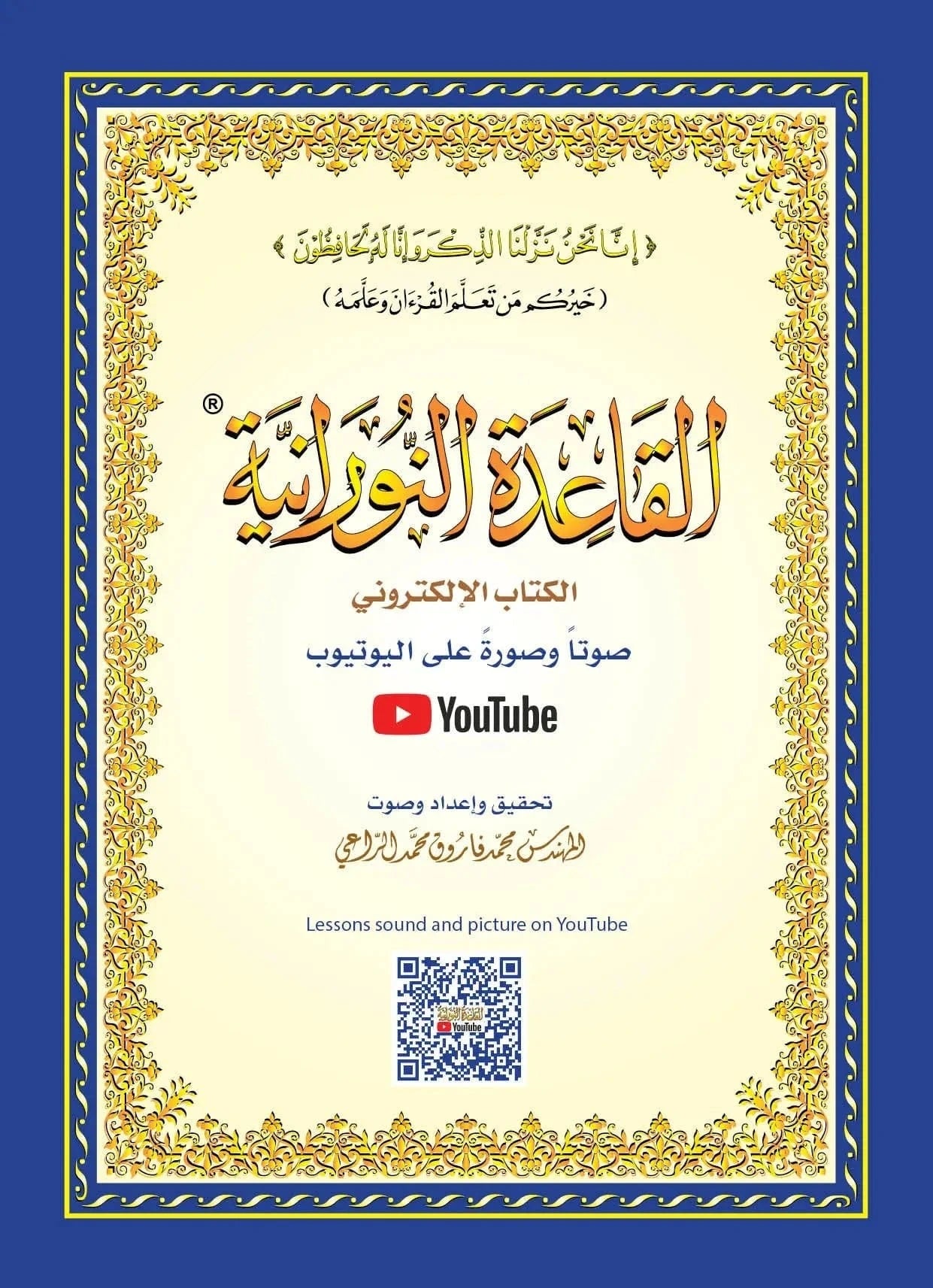
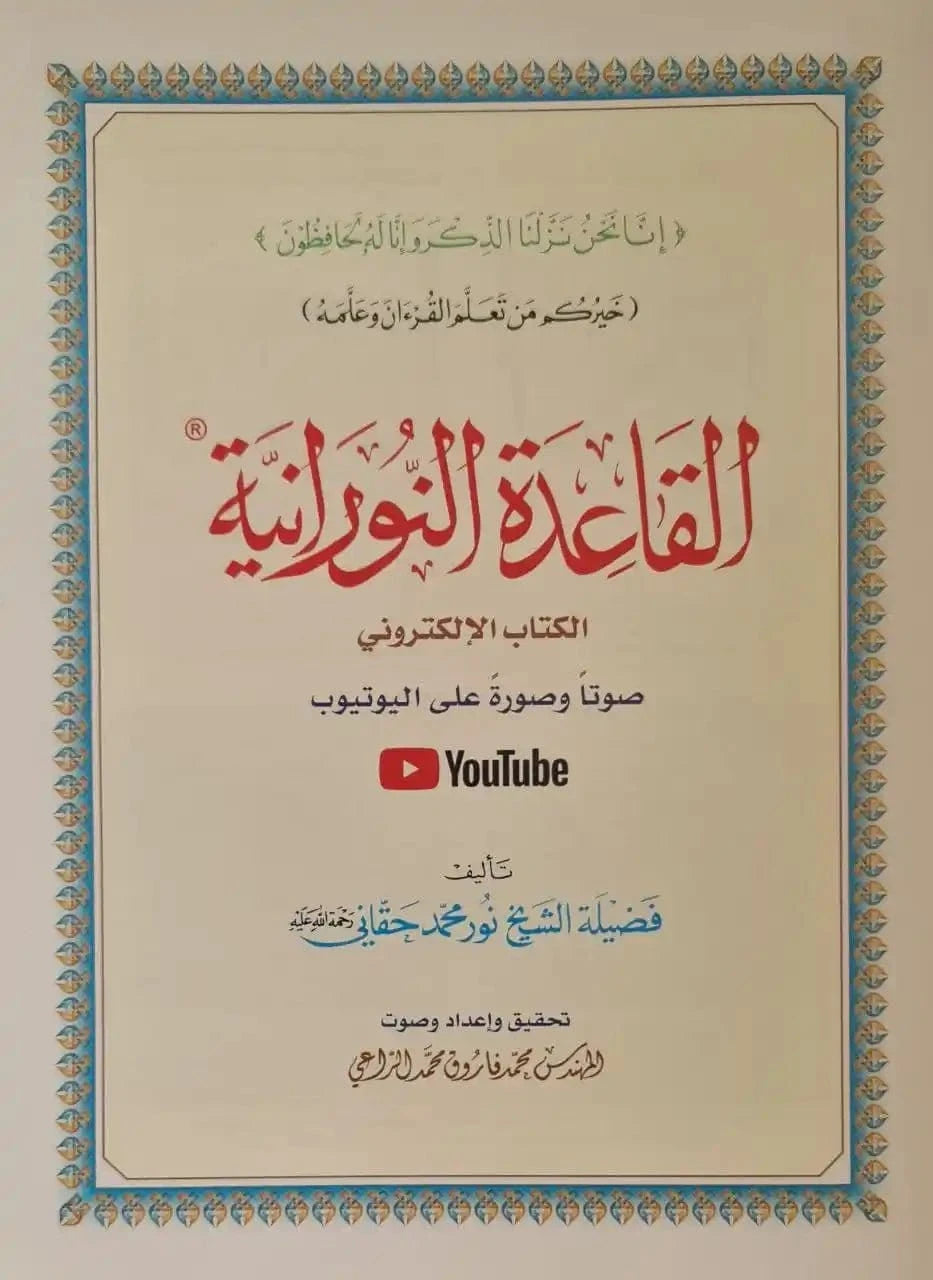
The Nourania method constitutes an additional proven and internationally recognized approach. This method, designed for Quranic recitation, precisely organizes teaching in a progressive manner and respects a pedagogy based on melodic repetition.
If you wish to explore this structured pedagogical approach, consult our dedicated Nourania collection.
For children and visual learners

Color and Learn: The 28 Arabic Letters
Combine art and learning with this educational coloring book. Each letter is presented with attractive illustrations and tracing exercises that reinforce motor memory.
6.90 EUR
Add to cartTo further enrich your learning, consult our other guides: learn Arabic writing with workbooks and books, the best books for beginners, and how to make learning fun for children.
Also explore our Digital Future collection and our Editions Orientica selection to discover other educational resources.
What are the delivery times for my books?
Al-Imen delivers in mainland France within 2 to 5 business days. For Belgium and Europe, allow 5 to 10 days. Consult our shipping and delivery page for detailed rates and order tracking options.

Frequently Asked Questions
How long does it take to master the Arabic alphabet?
This depends on your commitment and memorization ability. On average, a beginner can master the 28 letters and the four forms of each in 2 to 4 weeks with daily practice of 30 to 45 minutes.
To progress from passive recognition to fluent reading, plan for 3 to 6 months of regular study. Vocalization with harakat can be integrated quickly, generally in the second week.
Should I learn the harakat at the same time as the letters?
Yes, it is recommended. The harakat give meaning to the letters alone by indicating correct pronunciation. Learning letters without their corresponding vowels creates incomplete understanding. In the first week, focus on the three basic harakat (fatha, kasra, damma), then gradually integrate sukun, shadda and tanwin.
The best educational books present vocalized letters from the start.
How do I teach the Arabic alphabet to a 4-year-old child?
For young children, prioritize a playful and visual approach. Use illustrated flashcards, magnets, and interactive games. Limit sessions to 15-20 minutes maximum, as young children have limited attention spans.
Song and rhythm accelerate memorization: many Arabic speakers learn their alphabet through a melodic song. Reward progress and make learning fun. Books like "Color and Learn:
The 28 Arabic Letters" are perfect at this age.
What is the difference between the Nourania method and other approaches?
The Nourania method is specifically designed to teach Qur'an reading with extreme phonetic precision. It emphasizes active listening and musical repetition, which makes learning memorable.
Other general methods teach the alphabet without this Qur'anic specialization. If your goal is purely general alphabet learning, conventional methods suffice. If you aspire to read the Qur'an correctly, Nourania offers deeper and more rigorous pedagogical progression.
Can I read the Qur'an after learning the alphabet?
Yes, once you have mastered the alphabet and harakat, you will technically be able to read the Qur'an. However, Qur'anic reading requires additional learning of tajweed rules (the rules of recitation).
These rules govern precise pronunciation, prolongations, and liaisons. For correct and respectful recitation, it is essential to continue your study with a tajweed guide after solidifying your knowledge of the alphabet and harakat.
Main Guide
Related Articles
📚 Also Read
−5% off the entire library with code BLOG5
Valid throughout the site, with no minimum purchase — our thanks to our blog readers.
Discover the Selection