Manasik of Hajj: Step-by-Step Book (Rites, Du'as, Errors)
In Brief
This article presents the best books on Manasik al-Hajj (pilgrimage rites) to prepare your pilgrimage with complete peace of mind. You will discover reference works that detail each rite in chronological order: consecration (Ihram), circumambulation (Tawaf), running between Safa and Marwa (Sa'i), standing at Arafat, night at Muzdalifa, stoning of the pillars at Mina, and sacrifice.
For each book, we indicate the reference school of jurisprudence, the level of detail, the language, and the format. Selection criteria help you choose the manual best suited to your profile and your preferred school of jurisprudence.
The manasik designate the ensemble of rites and practices that constitute the Hajj. The word itself evokes the sacred sanctuaries and acts consecrated to Allah. Understanding in detail each stage of the manasik remains the key to accomplishing a valid Hajj, accepted and spiritually enriching.
This article will guide you through each phase of the pilgrimage, from preparation before departure to the conclusion of this extraordinary journey.

Before Departure: Spiritual and Material Preparation
Even before putting on the ihram, preparation must be both material and spiritual. Spiritually, pilgrimage begins with the heart: a sincere intention (niyyah) to perform this duty only for the satisfaction of Allah, without ostentation or seeking human glory.
It is reported from the Prophet Muhammad that "actions are only valued by their intentions".
Materially, ensure that you possess all necessary documents: passport, Hajj visa, vaccination certificate, hotel and flight reservations. Consult your doctor to verify that you are in good health to undertake this long journey.
Learn the fundamental invocations in Arabic or French so you can recite them. Many books on the manasik include lexicons of invocations - these resources are valuable for mental preparation.
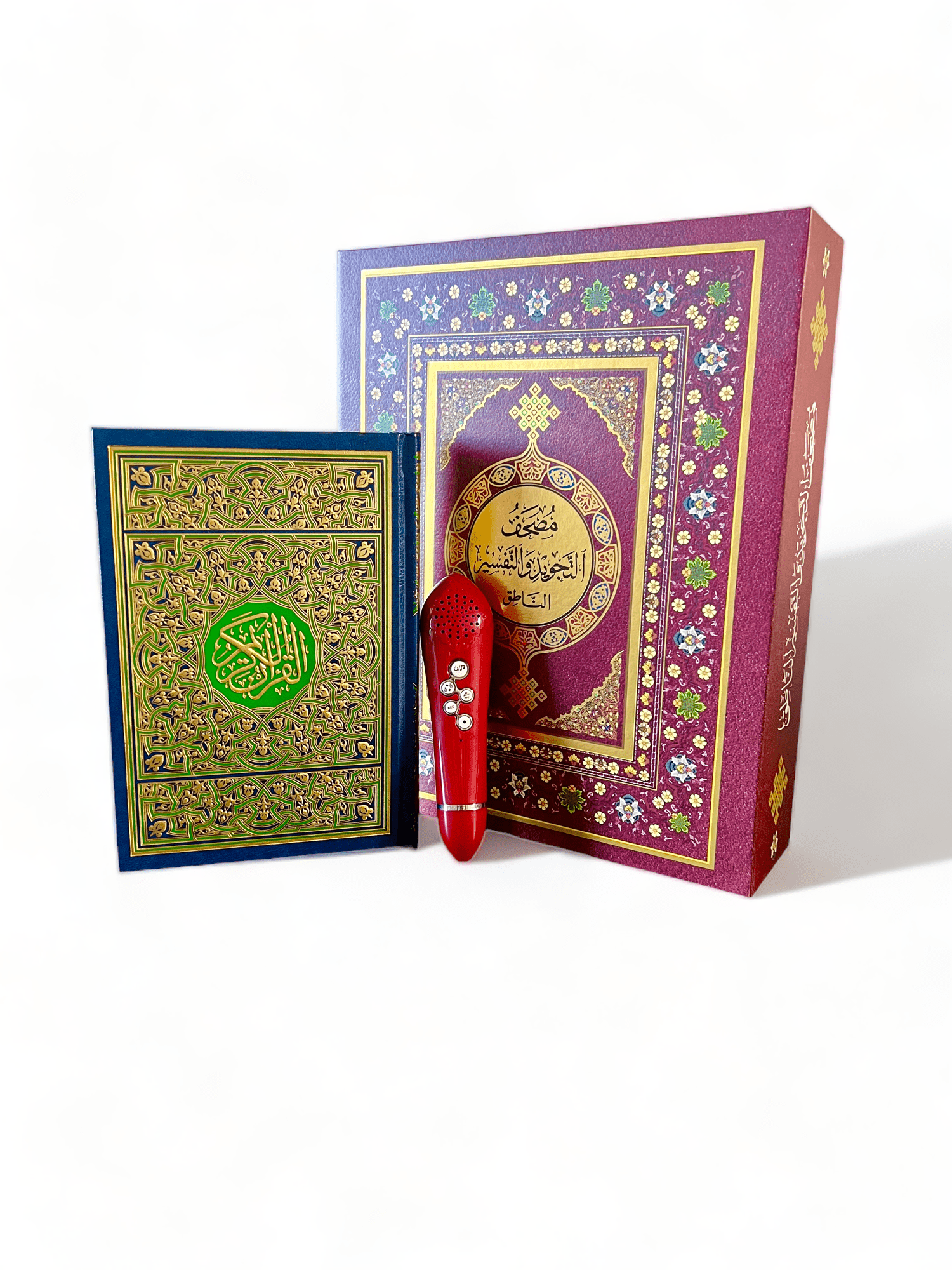
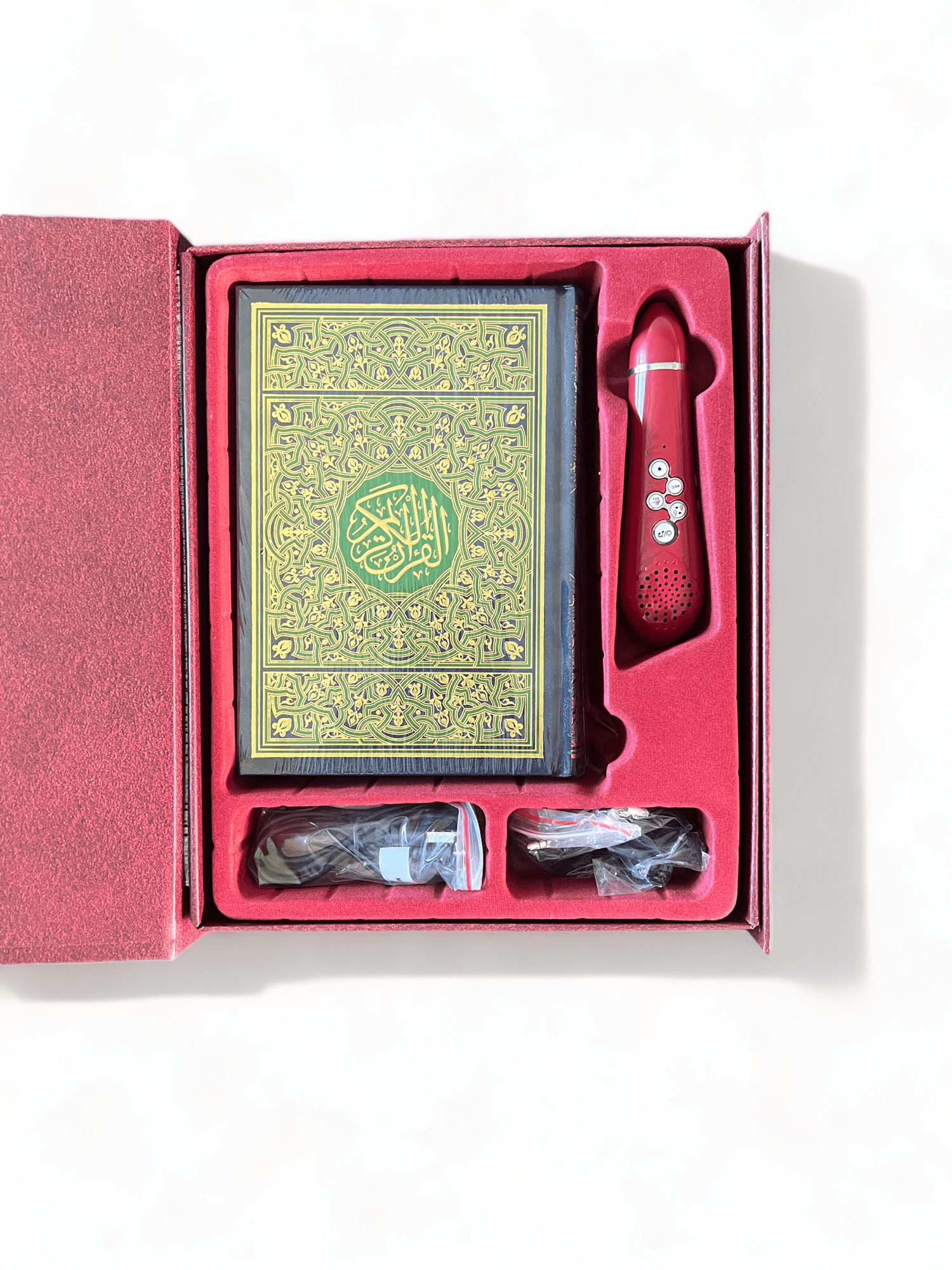
Reading a good work on the rites is also essential. "All About Hajj and Umrah" offers a progressive introduction, while "Manassik Al Hajj wa Al Omra" in Arabic provides a detailed reference for readers comfortable with the Arabic language.
Ihram: First Rite and State of Sacredness
The ihram is not simply a garment, it is a spiritual state of consecration to Allah. To put on the ihram, the pilgrim must first purify himself through ablution (wudu) and, ideally, bathe.
Men wear two uncut white cloths: one wraps around the loins and the other around the shoulders. Women maintain their ordinary clothes but must cover their body except for the face and hands.
Once in ihram, the pilgrim proclaims his intention by saying: "Here I am, O Lord, here I am. Here I am, You have no partner, here I am. To You be praise, grace and dominion.
You have no partner." This talbiya is recited repeatedly during the first phase of the Hajj.
The ihram entails many prohibitions: perfuming oneself, cutting nails, shaving, hunting, having conjugal relations, or quarreling. Some pilgrims make the mistake of believing that a minor violation of these rules invalidates the entire Hajj.
In reality, according to the legal schools, certain violations require only a minor expiation, not a repetition of the Hajj.
Arafat: The Culminating Moment of Hajj
On the 9th day of Dhoul-Hijja, the pilgrim travels to Arafat, a vast plain approximately 20 kilometers east of Mecca. This location, for many, is the turning point of the Hajj.
The Prophet Muhammad declared: "The Hajj is Arafat", meaning that the validity of the entire pilgrimage largely depends on the time spent at Arafat.
Between dawn and sunset, the pilgrim must remain at Arafat, either in prayer, invocation, or silent supplication. The traditional dhikr during this day is: "There is no god but Allah, the One, without partner.
To Him belongs sovereignty and praise. He gives life and causes death, and He is living and does not die. All goodness is in His hands, and He is capable of all things."
After sunset, the pilgrim departs swiftly towards Muzdalifah, a place located between Arafat and Mina. At Muzdalifah, the Maghreb and Isha prayers are observed combined, then pebbles are collected for the stoning on the following days.
Mina and Muzdalifah: Stay and Rituals
Mina, also called "the sacred valley", welcomes pilgrims for three or four days (depending on whether one leaves on the 12th or 13th day). At Mina, pilgrims must stone three pillars (jamarat) in a precise order during the days of Hajj.
This stoning, although physically tiring, holds profound spiritual significance: it commemorates the rejection of Satan by the Prophet Ibrahim.
The stoning follows strict protocol. On the 10th day, only the great pillar (al-jamarat al-kubra) is stoned. On the 11th and 12th days, the three pillars are stoned in order: small, medium, then large.
Each pillar receives seven stones, accompanied by the takbir ("Allahou Akbar").
The animal sacrifice (dam) also occurs during the stay at Mina, generally after the stoning of the first day. For Hajj tamattu and qiran, a sacrifice is obligatory. For the ifrad, the sacrifice is not obligatory unless there is a major violation of the rules of ihram.
Tawaf al-Ifadah and Removal of Ihram
After the stoning on the first day at Mina, the pilgrim returns to Mecca to perform the tawaf al-Ifadah (the great sacred circuit). This circumambulation around the Kaaba consists of seven complete rounds, performed counterclockwise.
Each round begins at the Black Stone corner of the Kaaba.
During the tawaf al-Ifadah, the pilgrim must be in a state of ritual purity. This tawaf marks the moment when the pilgrim can finally cover his shoulders after maintaining the ihram for several days.
After the seventh round, the sa'i (the walking between Safa and Marwa) follows. The pilgrim performs seven round-trip journeys between these two hills.
Once the sa'i is completed, the pilgrim shortens his hair or shaves it. This act symbolizes the partial removal from the state of ihram. The main prohibitions - except for marital relations - are now lifted.
This is why many pilgrims purchase souvenirs and perfumes after this stage.

Essential Rules and Common Mistakes
Several common mistakes can compromise a Hajj. Returning to Mecca after the tawaf al-Ifadah without having completed the sa'i commits a major omission. Similarly, neglecting the standing at Arafat or leaving Arafat too early invalidates the entire pilgrimage.
Another frequent mistake: performing the rites outside of their prescribed order. Hajj has a sequence of stages which, for the most part, cannot be changed. For example, the tawaf must precede the sa'i.
If someone performs the sa'i before the tawaf, this rite must be redone afterwards.
Furthermore, some pilgrims forget the invocations and focus solely on the physical movements. Yet sincere supplication is the spiritual essence of each rite. A detailed book on the manasik must include not only the "what to do" but also the "how to invoke" during each phase.
FAQ - Questions on Manasik
What happens if I cannot stay complete at Arafat?
Remaining present at Arafat between dawn and sunset on the 9th day is obligatory. However, if you arrive very late or must leave very early due to a valid reason, even part of the time at Arafat may suffice according to some scholars.
Consult a scholar from your group or your agency to verify the specific rules in case of difficulty.
How many pebbles do I need for the stoning?
You must collect approximately 70 pebbles: 7 for the 10th day (only the great pillar), 21 for the 11th day (3 pillars x 7 pebbles), and 21 for the 12th day.
If you stay until the 13th day, you add another 21 pebbles. Visual resources in books on manasik clearly show this distribution.
Can I perform Hajj in fewer days?
Hajj requires at minimum the following steps in order: ihram, arrival at Arafat on the 9th day, stoning on the 10th day, tawaf al-Ifadah, and sa'i. Technically, one can accomplish all of this in 2-3 intensive days.
However, staying the full days at Mina is recommended to allow room for additional supplications and spiritual practices.
Visual and Practical Guides
Many pilgrims find guides with images and diagrams more useful. "Hajj and Umra in Images" offers a clear visualization of each rite. Combine it with a detailed text for complete preparation.
Hajj Guide for BeginnersSpecialized Books on Manasik

Hajj and 'Umra Guide - Yacoub Roty
Complete guide for Hajj and Umra with detailed invocations and rituals
From 15.00 € inc. tax
What are the delivery times for my books?
Al-Imen delivers in metropolitan France within 2 to 5 business days. For Belgium and Europe, allow 5 to 10 days. Consult our shipping and delivery page for detailed rates and order tracking options.

Navigation to Other Articles
- Complete Hajj Guide - Overview and general checklist
- Ihram: rules and prohibitions - Details on the first rite
- Complete Tawaf guide - Precise instructions for the sacred circuit
- Du'as of the Hajj - Invocations for each step
- Common errors and compensations
- Collection of books on the manasik
📚 Also Read
−5% off our entire library with code BLOG5
Valid on the entire site, with no minimum purchase — our thanks to blog readers.
Discover the selection